How to Access VA Benefits: A Step-by-Step Guide for Veterans
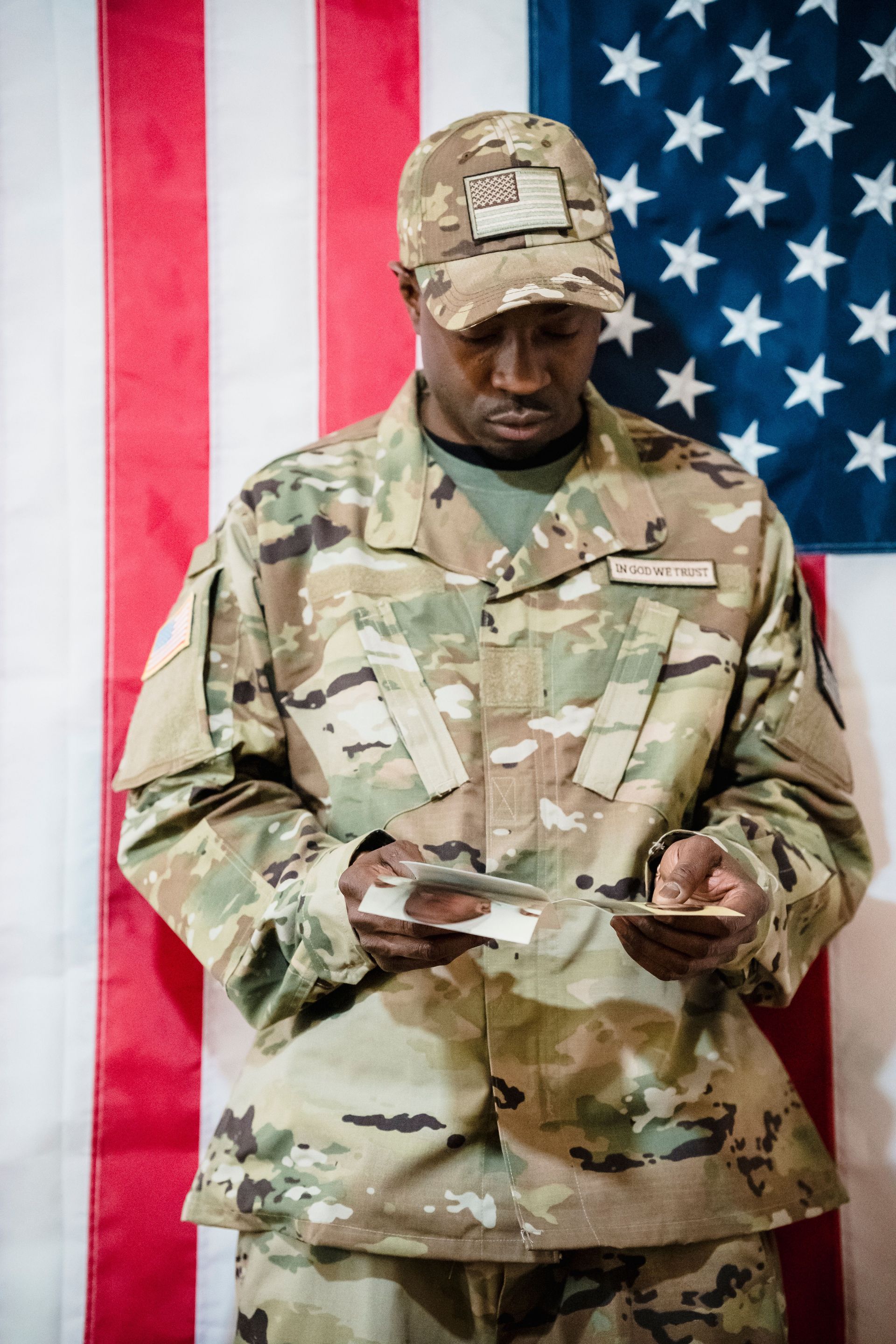
You've Earned These Benefits—Don't Leave Them Unused
After serving our country, veterans may be eligible for a wide range of benefits through the U.S. Department of Veterans Affairs (VA). These benefits can help with healthcare, education, housing, disability compensation, employment, home loans, and much more.
Unfortunately, many veterans are unaware of everything they qualify for or are unsure how to begin the application process.
At Serenity Path Network, we believe that every veteran deserves access to the resources they've earned. This guide outlines the first steps toward accessing VA benefits and connecting with the support available to you.
Step 1: Gather Your Important Documents
Before applying for benefits, gather any documents that may be required, including:
- DD Form 214 (Certificate of Release or Discharge from Active Duty)
- Government-issued photo ID
- Social Security number
- Military service records (if available)
- Medical records related to your claim
- Marriage certificate or dependent information (if applicable)
- Direct deposit banking information
Keeping these documents organized can make the application process smoother.
Step 2: Determine Which Benefits You May Be Eligible For
The VA offers many different programs, including:
VA Health Care
Eligible veterans can receive medical care, preventive services, mental health care, prescriptions, specialty care, and more through the VA healthcare system.
Disability Compensation
Veterans with illnesses or injuries connected to their military service may qualify for monthly, tax-free disability compensation.
Education Benefits
Programs such as the Post-9/11 GI Bill® and Veteran Readiness and Employment (VR&E) can help pay for college, technical training, certifications, apprenticeships, and other educational opportunities.
Home Loan Benefits
VA-backed home loans can help eligible veterans purchase, build, or refinance a home with favorable terms.
Employment and Career Services
Veterans can access career counseling, job training, resume assistance, and employment resources to help transition into civilian careers.
Pension Benefits
Some wartime veterans with limited income may qualify for a VA pension if they meet eligibility requirements.
Step 3: Enroll in VA Health Care
If you're eligible, enrolling in VA healthcare is often one of the best first steps.
You'll typically need:
- Your DD-214 or other discharge information
- Personal identification
- Insurance information (if applicable)
- Household income information for certain eligibility determinations
Even if you currently have private insurance, enrolling in VA healthcare may provide additional services and support.
Step 4: File a Disability Claim (If Applicable)
If you believe a medical condition is connected to your military service, you may be eligible to file a disability claim.
Helpful evidence includes:
- Military medical records
- Civilian medical records
- Doctor statements
- Service records
- Supporting statements from family members or fellow service members when appropriate
Claims can take time to process, so it's generally beneficial to begin as soon as you're ready.
Step 5: Connect With Your County Veterans Service Office
One of the best resources available is your local Veterans Service Office.
Veterans Service Officers (VSOs) can:
- Explain available benefits
- Help complete applications
- Gather required documentation
- Assist with disability claims
- File appeals if needed
- Connect veterans with additional local resources
These services are typically provided at no cost.
Step 6: Explore Educational and Employment Opportunities
Education and career training can open doors to long-term financial independence.
Veterans may qualify for:
- College tuition assistance
- Technical and trade school programs
- Professional certifications
- Apprenticeships
- Workforce development programs
- Career counseling and job placement assistance
Combining education with stable housing can create a strong foundation for long-term success.
Step 7: Stay Connected
Benefits don't end after your first application.
As your life changes, you may become eligible for additional programs related to:
- Housing assistance
- Mental health services
- Caregiver support
- Adaptive housing grants
- Burial benefits
- Life insurance
- Family and survivor benefits
Review your benefits periodically and don't hesitate to ask questions if your circumstances change.
How Serenity Path Network Supports Veterans
The Veterans Path to Independence Program is designed to help veterans build stable, independent lives by connecting them with resources and opportunities.
Our team can assist participants by:
- Referring them to local Veterans Service Officers
- Connecting them with community resources
- Supporting educational and employment goals
- Providing financial literacy and life-skills education
- Assisting with housing stability planning
- Encouraging long-term independence through personalized goal setting
While we do not determine eligibility or process VA claims, we are committed to helping veterans navigate available resources and connect with trusted organizations that can.
Final Thoughts
Accessing VA benefits may seem overwhelming at first, but you don't have to navigate the process alone. The benefits you've earned through your service are designed to support your health, education, financial stability, and overall well-being.
Taking the first step today can create opportunities that positively impact your future for years to come.
At Serenity Path Network, we're honored to support veterans as they build a path toward stability, independence, and lasting success.