What to Look for When Choosing Safe, Affordable Housing
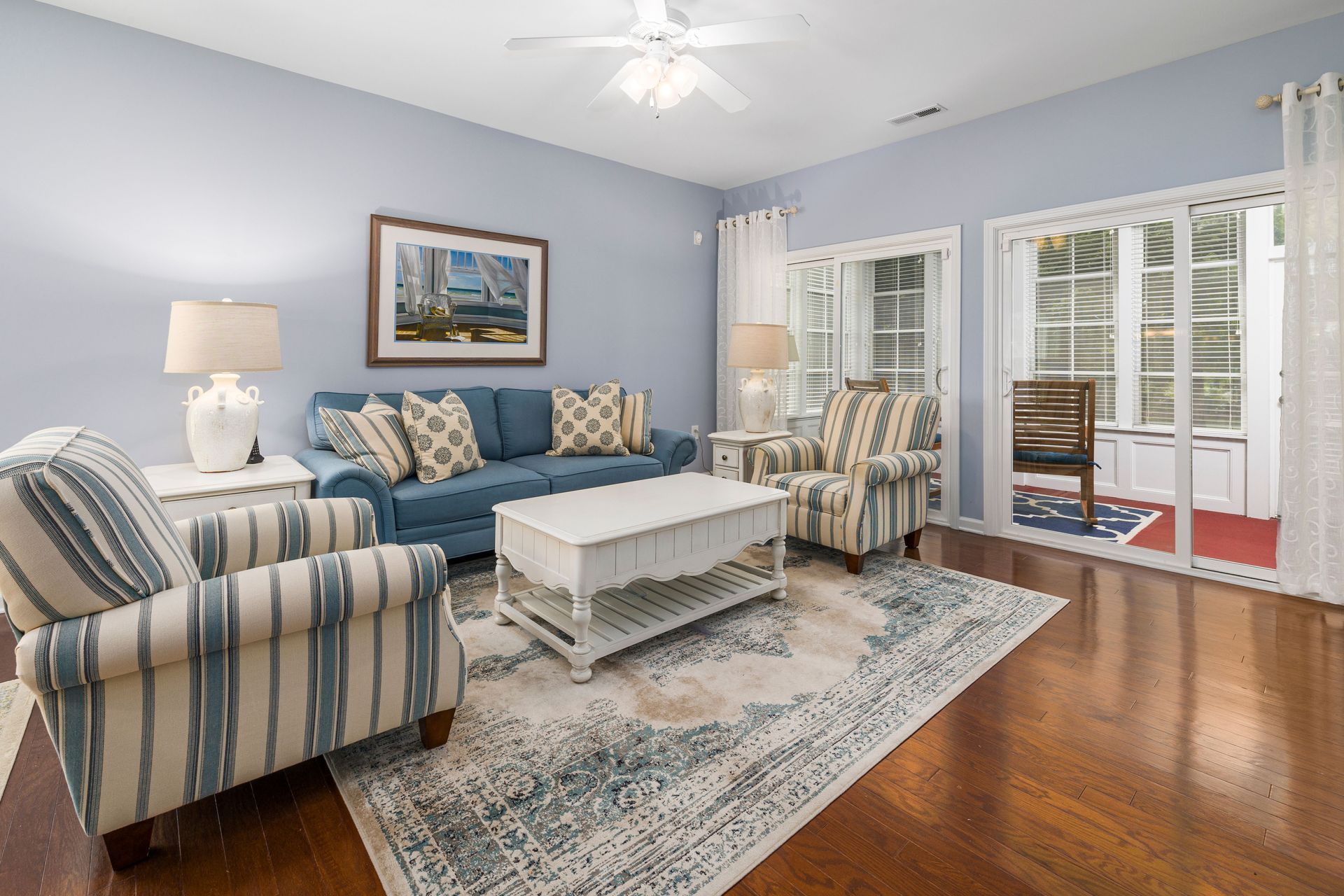
Finding a place to call home should be about more than simply finding a room with an affordable monthly payment. Your home should provide safety, stability, dignity, and an environment where you can move forward.
For individuals experiencing housing instability, transitioning from an unsafe or unstable living situation, living on a limited income, or simply looking for a more affordable housing option, knowing what to look for can make a major difference.
At Serenity Path Network LLC, we believe housing should provide more than a roof over your head. It should provide a safe foundation for independence and a better future.
1. Start With Safety
Safety should always be one of your first priorities when considering a new home.
Before moving in, look at:
- Working locks on doors and windows
- Adequate lighting around the property
- Safe entrances and exits
- Working smoke and carbon monoxide detectors
- Clean and well-maintained common areas
- Safe electrical outlets and appliances
- A neighborhood where you feel comfortable
- Clear emergency procedures
- A reasonable level of privacy and security
Don't be afraid to ask questions about how the property is maintained and what happens if a safety issue occurs.
An affordable home isn't truly affordable if you don't feel safe living there.
2. Understand the Full Cost of Housing
When comparing housing options, don't look at rent alone.
Ask what is included in your monthly payment.
Additional costs may include:
- Electricity
- Water
- Heating or cooling
- Internet/Wi-Fi
- Laundry
- Furniture
- Transportation
- Parking
- Application or move-in fees
- Other required services
A home with a slightly higher monthly rent may actually be more affordable if utilities, furnishings, Wi-Fi, laundry, and other basic necessities are included.
Before signing an agreement, make sure you understand exactly what you will pay each month.
3. Look for Clean, Well-Maintained Housing
Pay attention to the condition of the property during your tour.
Look for signs that the home is regularly maintained, including:
- Clean bathrooms and kitchens
- Working plumbing
- No obvious water damage
- Proper heating and cooling
- Working appliances
- Clean bedrooms and common areas
- Proper trash disposal
- Pest prevention
- Safe walkways and entrances
A property doesn't have to be luxurious to be a good home. It should, however, be clean, functional, and properly maintained.
4. Know What Type of Housing You're Choosing
Not every housing option is designed for the same purpose.
You may come across:
Independent living housing – Designed for adults who want stable housing while maintaining their independence.
Transitional housing – Often designed to provide temporary housing and additional support while someone works toward greater stability.
Traditional apartments – Typically offer independent housing but may require higher income, deposits, credit qualifications, and additional utility costs.
Shared housing – Allows residents to share a home and certain common areas while having their own designated bedroom.
Understanding the type of housing you're considering can help you determine whether it fits your current needs.
5. Ask About Privacy
If you're considering shared housing, privacy is especially important.
Ask:
- Will I have a private or shared bedroom?
- How many people will live in the home?
- How many bathrooms are available?
- Are there designated common areas?
- Are there rules regarding guests?
- How are conflicts between residents handled?
You deserve to understand your living environment before agreeing to move in.
6. Look Beyond the House
A good home is also about what's available around it.
Consider how close the property is to:
- Grocery stores
- Employment opportunities
- Public transportation
- Medical providers
- Pharmacies
- Schools or educational opportunities
- Community organizations
- Places of worship or community activities
- Family and support networks
Transportation is especially important if you don't have a vehicle.
A housing option that is inexpensive but leaves you unable to get to work, appointments, or groceries may create additional challenges.
7. Ask About Support and Resources
Some people need housing and nothing more. Others benefit from having resources available when they need them.
If you're considering a housing program, ask what support is available.
Depending on the organization, this might include:
- Community resource referrals
- Employment resources
- Transportation assistance
- Budgeting or financial education
- Life-skills support
- Veterans resources
- Re-entry resources
- Food assistance referrals
- Healthcare resources
Support should help you become more independent—not make you feel like you have lost your independence.
8. Read the Housing Agreement Carefully
Never feel pressured to sign something you don't understand.
Before moving in, review:
- Monthly rent
- Security deposits
- Move-in fees
- Payment due dates
- Lease or occupancy terms
- Notice requirements
- Guest policies
- House rules
- Maintenance responsibilities
- What happens if you need to move out
If something isn't clear, ask questions before signing.
A reputable housing provider should be willing to explain the terms of your agreement.
9. Trust Your Instincts
Sometimes the warning signs aren't written on a checklist.
If something doesn't feel right, slow down.
Be cautious if you encounter:
- Pressure to pay immediately
- Requests for unusual payment methods
- Refusal to provide written terms
- Major differences between advertised housing and what you see in person
- Unsafe or unsanitary conditions
- Unclear ownership or management
- Promises that seem unrealistic
- Someone discouraging you from asking questions
You have the right to ask questions and take time to make an informed decision.
10. Remember That Stability Matters
Affordable housing isn't only about the lowest possible monthly payment.
True housing stability means having a place where you can:
- Feel safe
- Rest
- Maintain your privacy and dignity
- Manage your monthly expenses
- Build routines
- Work or attend school
- Access community resources
- Plan for the future
For many people, having a stable place to live is the first step toward addressing other challenges.
Finding Your Next Path
At Serenity Path Network LLC, our goal is to provide safe, stable housing while connecting residents with resources that can support their individual path toward independence.
Our independent and transitional housing options are designed with stability, dignity, and community in mind. Depending on the housing option, residents may have access to furnished accommodations, utilities, Wi-Fi, laundry facilities, community resources, referrals, and additional support services.
We believe that needing affordable housing should never mean giving up your dignity or your goals.
Your next chapter can start with having a safe place to begin.
Looking for Housing?
If you're searching for affordable independent or transitional housing in the Alamance County, North Carolina area, learn more about Serenity Path Network LLC and our Path to Independence programs.
A new path. A better future.
Disclaimer: Housing availability, eligibility requirements, fees, and services may vary by program and property. Contact Serenity Path Network LLC for current information.